
A living story of migration
Diaspora Gardens
Travel through gardens shaped by the journeys of Cornish people, the mining knowledge they carried and the plants exchanged between Cornwall and distant lands.
Roots across the world
A Cornish story carried overseas
During the 19th century, thousands of Cornish people emigrated around the world, taking their culture, mining skills and technologies with them.
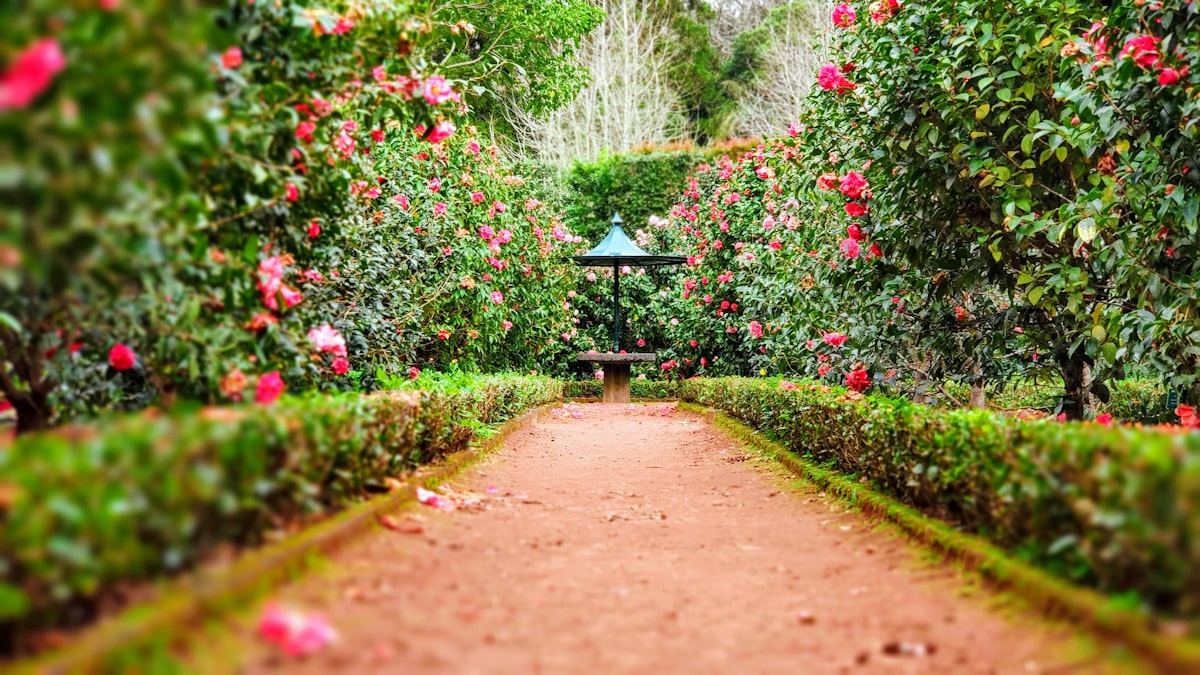
Through distinctive planting and interpretation, the Diaspora Gardens explore that dispersion and the influence of Cornish communities on the places to which they travelled. Plants from Cornwall found new homes abroad, while species brought back from distant regions took root in Cornwall’s rich soil.
These exchanges helped shape the subtropical gardens, collections and nurseries now associated with the county. Here, that global movement is presented as a living landscape rather than a story held behind glass.
Read the landscape
Connections in every border
Water defines a series of garden areas themed around nations and continents central to the story of Cornish migration.



How to explore
Cross continents at walking pace
Begin with migration
Consider why mining communities left Cornwall and what knowledge and traditions travelled with them.
Follow the planting
Look for species associated with Australia, New Zealand, South Africa and the Americas.
Pause at the words
Find boulders bearing poems and use the interpretation to connect personal experience with the wider story.
Notice the exchange
See the gardens as a two-way journey: Cornish plants moved outward while unfamiliar species came home.
What’s included
A garden with many layers
The Diaspora Gardens combine horticulture, heritage and quiet open-air exploration within Heritage Cornwall.
- Continental garden themes connected to Cornish migration
- Exotic and familiar plants with stories of adaptation
- Water, pathways and places to pause
- Poetry and interpretation set into the landscape
- A direct link to the wider mining heritage story

Living roots.
Cornish spirit.
Practical answers
Before you wander
The gardens are part of the wider visitor landscape. Conditions can vary with the season and weather.
What does “diaspora” mean?
Diaspora means dispersion. Here it describes Cornish people who moved around the world and the communities, skills and cultural connections that grew from those journeys.
Which regions do the gardens represent?
The themed areas draw on connections with Australia, New Zealand, South Africa, North America and South America.
Why are plants central to the story?
Plants offer visible evidence of exchange. Cornish species became established overseas, while plants brought back to Cornwall adapted to local conditions and influenced regional gardens.
Are the gardens part of the heritage experience?
Yes. They extend the mining and migration story into the landscape, complementing the museum displays and historic structures.
How long should I allow?
The route can form a short part of a wider visit or a slower garden walk. Allow extra time if you want to read the interpretation and poetry.
Where can I check visitor information?
Use the visitor information page for current practical guidance, or contact Heritage Cornwall before travelling if you have a specific question.
Plan your exploration